
Why Keeping Too Much Money in the Bank is a Costly Mistake in 2025
- Odetta Rockhead-Kerr

- Aug 13, 2025
- 3 min read
Many people still believe that parking their money in the bank is the safest, smartest move. While having a bank account for daily transactions and emergencies makes sense, letting large sums sit there long term can quietly cost you wealth.
Based on my personal experience — having started with very little and worked my way up — I’ve learned that banks today operate very differently from the way they did decades ago. Understanding these changes can help you protect and grow your money.
1. Banks Make Their Profits from Fees, Not From Growing Your Money
In the past, banks would take your deposits, invest in real estate or business lending, and pay you a decent interest rate in return. In 2025, the business model has shifted.
Today’s banks profit largely from fees — monthly maintenance, ATM withdrawals, overdraft charges, wire transfers, and even “dormant account” penalties. If you leave your money untouched for too long, these fees can slowly eat away at your balance.
2. Interest Rates Are Too Low to Beat Inflation
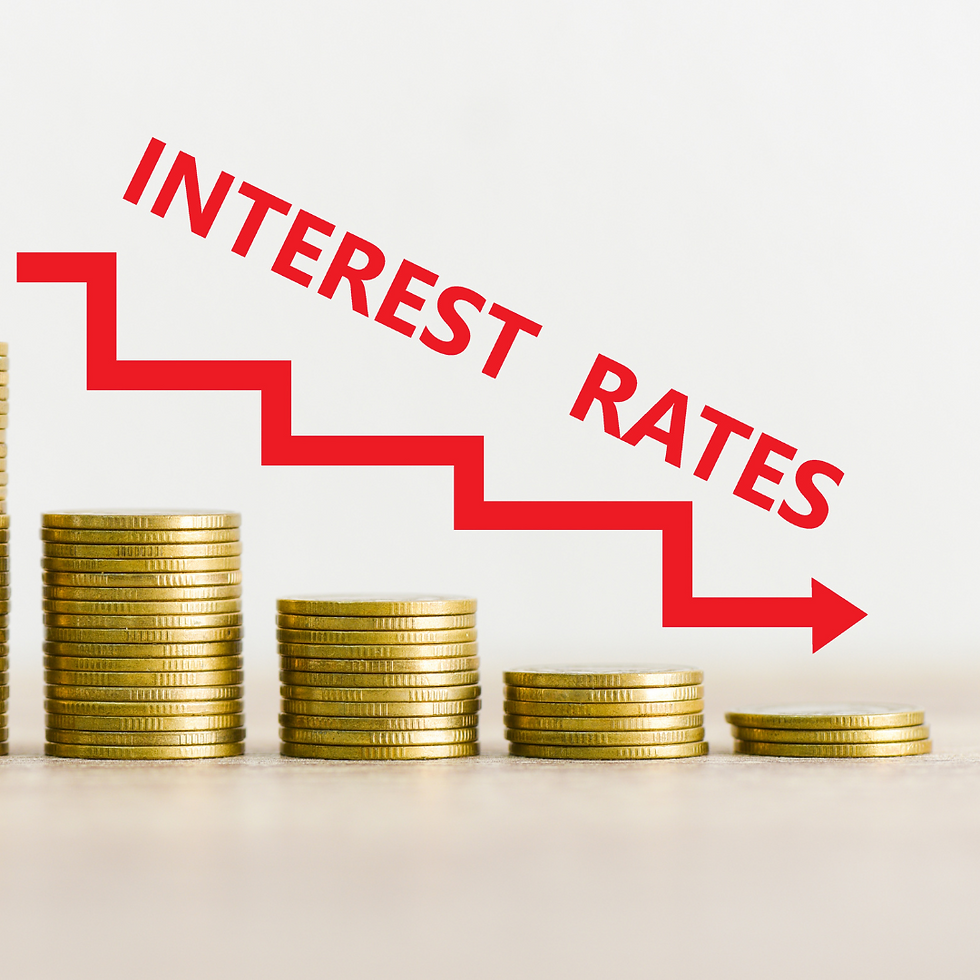
The average bank interest rate on savings accounts in 2025 is still far below 1%, while inflation hovers much higher. This means your money is actually losing value each year it sits in the bank.
By comparison, conservative investments like bonds or diversified index funds can yield 5% or more annually, and higher-risk portfolios can return 7–9% or more — enough to at least match or outpace inflation.
3. Deposit Insurance Has Limits
Many assume that all the money they deposit is fully protected, but deposit insurance has limits. For example, in some countries the insured amount caps out at a fixed sum per account. If your bank fails and you hold more than that limit, the rest could be lost.
This makes it risky to store very large amounts in a single bank account. Diversifying your storage and investments reduces that exposure.
Related video
4. Service Quality Has Declined
Poor customer service is a growing complaint among account holders worldwide. Long wait times, limited responsiveness, and lack of personal attention have become the norm in many banks.
If you’re already earning next to nothing in interest, why tolerate mediocre service? In 2025, you have more options than ever before to manage money outside traditional banks.
5. Inequality in Interest Rates and Exchange Rates
Interest rates can vary depending on your financial standing, connections, or negotiating power. Similarly, banks often widen their foreign exchange spreads — buying your currency low and selling it high — profiting significantly from each transaction.
For example, selling USD at one rate and buying it back the same day at a much worse rate can cost you considerably. These hidden losses add up quickly.

6. Too Many Hidden and Overt Fees
From overdraft fees to “insufficient funds” charges (sometimes both applied at once), the list of possible fees seems endless. These deductions can eat into your balance before you’ve even spent the money.
So What Should You Do Instead?
If you want your money to work for you, you have to think like a bank:
Invest in income-generating assets like real estate, bonds, and index funds. You don’t always need huge capital to start; fractional investing platforms make it accessible.
Use rewards credit cards instead of debit (responsibly), earning points or cashback for spending you’d do anyway.
Keep only what you need for emergencies or short-term expenses in the bank; move the rest into investments that yield higher returns.
The Bottom Line
In 2025, keeping large sums of cash in the bank means losing money to inflation, fees, and low interest rates. Use your bank as a temporary holding account, not a wealth-building tool. Seek trustworthy financial advice, match your investments to your risk tolerance, and take control of your money’s growth.
Your financial future depends on your ability to make your money work harder than the bank does.
Related video



Comments